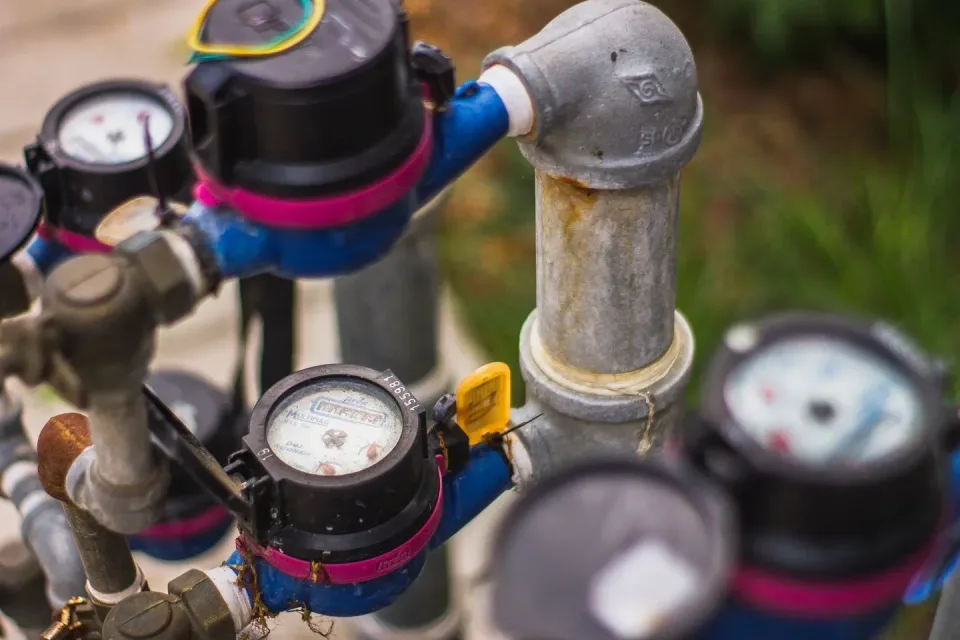
Why Does Water Pressure Drop After Filter Installation?
If the shower slows down right after a new filter goes in, the filter or its installation may be restricting flow. A clogged cartridge, incorrect flow direction, or partly closed valve can cause the drop. Start by checking the filter model’s direction arrow and confirming its shutoff valves are fully open; don’t force a housing that is under pressure.
Spring rainfall can saturate soil around water lines, so a sudden whole-house change may deserve a supply-line check rather than another cartridge swap. Near Bradley International Airport in Windsor Locks, a homeowner can use the timing of the change immediately after installation or after a storm as a helpful clue, not a diagnosis.
Bridgeport Station is another familiar Connecticut reference point for our service coverage. Check whether every fixture is affected, then ask for a pressure test if the cause is unclear.
Could the filter itself be restricting flow?
A pressure drop that starts as soon as a filter is installed often points to a cartridge, housing, or connection issue. Check that the cartridge matches the system, is seated correctly, and is installed in the direction marked by the manufacturer.
A cartridge packed with sediment can also restrict flow, especially if the incoming water carries debris. Don’t bypass a drinking-water filter unless the manufacturer’s instructions permit it.
We compare pressure before and after the filter, then check flow while a fixture runs. The distinction matters: acceptable static pressure can hide a restriction that appears only when water is moving. At UConn Health in Farmington, as in any Connecticut property, a measured result is more useful than swapping parts on a hunch.
What does a filter pressure test reveal?
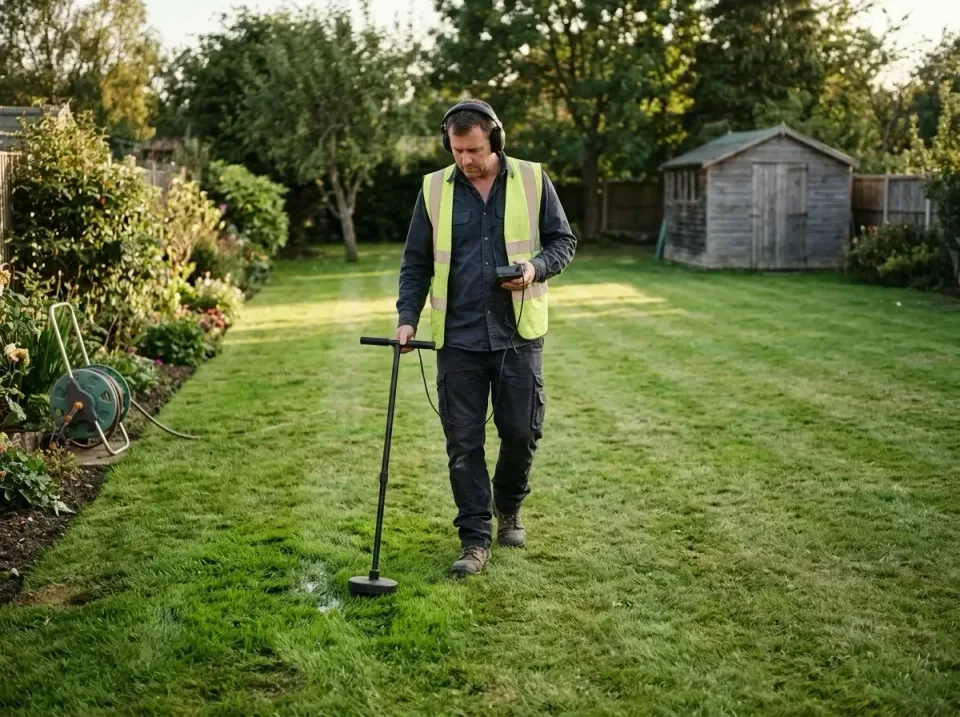
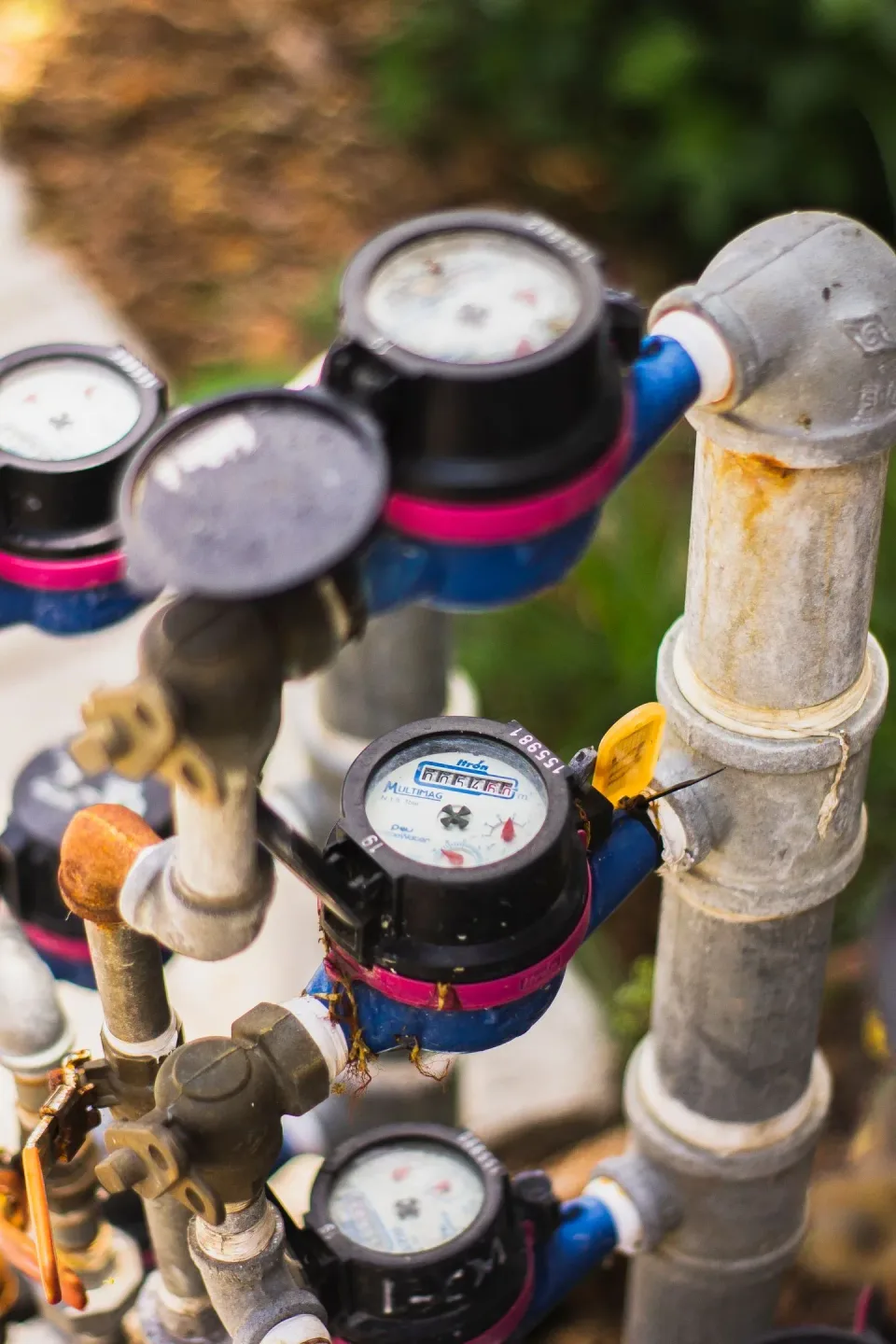
A pressure gauge on each side of the filter helps show whether the filter assembly is causing the loss or whether the problem begins elsewhere. We also confirm valve position, inspect fittings for leaks, and check the cartridge’s service condition. A pressure drop limited to one faucet may instead involve its supply line or fixture; if several rooms are affected, the issue may be shared.
Connecticut’s cold winters make exposed pipes vulnerable to freezing, so a filter installed in an unheated area deserves a careful look for freeze damage or a partly obstructed line. Frozen ground can complicate winter water-line repairs, which is one reason we first establish where the restriction is before recommending work. The older plumbing around Yale University in New Haven is a useful reminder that a new appliance can expose an existing weak point in a home’s supply.
When should you stop troubleshooting and call a pro?
You can check the filter’s arrow, cartridge seating, and accessible shutoff handles if the manufacturer’s instructions allow it. Stop if water leaks, the housing will not release safely, the shutoff will not operate, or pressure remains low after a correctly seated replacement cartridge. Do not disassemble a pressurized housing.
Seasonal temperature swings affect pipe joints, so a leak near new filter connections may become more noticeable as conditions change. In Downtown Stamford, as elsewhere, protect nearby flooring and keep the work area clear before any inspection.
Our crew tests the system and explains the readings before proposing a repair; we don’t assume a booster pump is the answer. For another symptom-based comparison, see why water pressure is suddenly low throughout your Connecticut home.
How can Connecticut homes prevent repeat filter problems?
Choose a filter rated for the home’s expected flow, follow the installation sequence, and note the cartridge replacement schedule. A system sized for a single fixture may not serve a whole house well; conversely, a whole-house unit with an undersized connection can become a bottleneck. Keep the installation manual and model information available for troubleshooting.
At Sleeping Giant State Park in Hamden, winter exposure is part of the local setting; homes with plumbing near exterior walls or in unheated spaces should have those areas checked before freezing weather. If the filter is not the cause, our Water Filter Pressure Repair service can help identify the next test.
Which Repair Fits a Filter-Related Pressure Drop?
If the filter is new but several fixtures still run weakly, the right repair depends on where the pressure loss occurs. A reading before and after the filter helps separate a cartridge issue from a wider supply problem.
Drought periods can strain private wells, so well owners should consider whether reduced supply coincides with a dry spell. Near Foxwoods Resort Casino in Ledyard, exterior plumbing also faces frequent freeze-thaw cycles; inspect exposed sections if the change followed cold weather.
| Option | Best for | Key detail |
|---|---|---|
| Filter inspection | Pressure loss beginning after installation | Compare readings before and after filter |
| Booster pump repair | Inadequate supply pressure across the home | Pumps range from fractional to multi-horsepower |
| Pressure-reducing valve replacement | Excessive incoming pressure or a faulty regulator | Pressure above 80 psi calls for regulator evaluation |
| Well pressure tank repair | Weak well supply or pump cycling concerns | Tanks commonly range from 20–80 gallons |
| Blockage removal | Restriction in an affected pipe | Common residential pipe sizes are 1/2–1 inch |
Hard freezes can damage exposed hose bibs, so don’t mistake an outdoor fixture problem for a filter fault.
Prepare the Filter Area for a Clear Pressure Check
Before a filter inspection, make access safe and give the plumber room to compare readings. Older homes may have seasonally vulnerable plumbing, so mention any past freezing or leaks rather than assuming the filter is the only concern. Near the Connecticut River, properties may have different layouts and exposure; the relevant details are where the filter and shutoffs sit, not the landmark itself.
-
Locate the shutoff: Find the main water shutoff before any work begins, and do not turn a stuck valve by force.
-
Clear the work area: Move stored items and protect flooring near the filter, meter, and regulator.
-
Share the installation details: Provide the filter model, installation date, and cartridge information.
-
Plan the interruption: Tell occupants when water may be shut off so they can prepare.
-
Make access available: Clear the route to the pressure regulator or well controls if the filter test points elsewhere.
-
Request measured confirmation: Ask for before-and-after readings and a flow check when the repair is complete.
Near the Maritime Aquarium in Norwalk, homeowners can use the same preparation: clear the work zone and keep filter instructions handy.
Get a Measured Answer for Filter-Related Pressure Loss
A new filter should not leave you guessing about weak flow. Check its installation and accessible valves first; if low pressure continues, testing can distinguish a filter restriction from a broader plumbing issue.
Coastal areas often have milder winter temperatures, but coastal storms can still threaten shoreline properties, so mention any weather-related change when describing the problem. Heavy snowfall may obstruct outdoor shutoff access, making it useful to locate that valve before a service visit.
Lighthouse Point Park in New Haven is one familiar shoreline landmark in our Connecticut service area.
| Check | Useful reference |
|---|---|
| Residential pressure target | 40–60 psi |
| Upper code limit | 80 psi |
| Well switch settings | Often 30/50 or 40/60 psi |
Contact Connecticut Plumbing Pros at (877) 773-0781 to arrange a pressure check, or learn about Water Filter Pressure Repair.